
The winner of the Montreal International Poetry Prize 2026 is
“Tallow” by Daniel Schonning
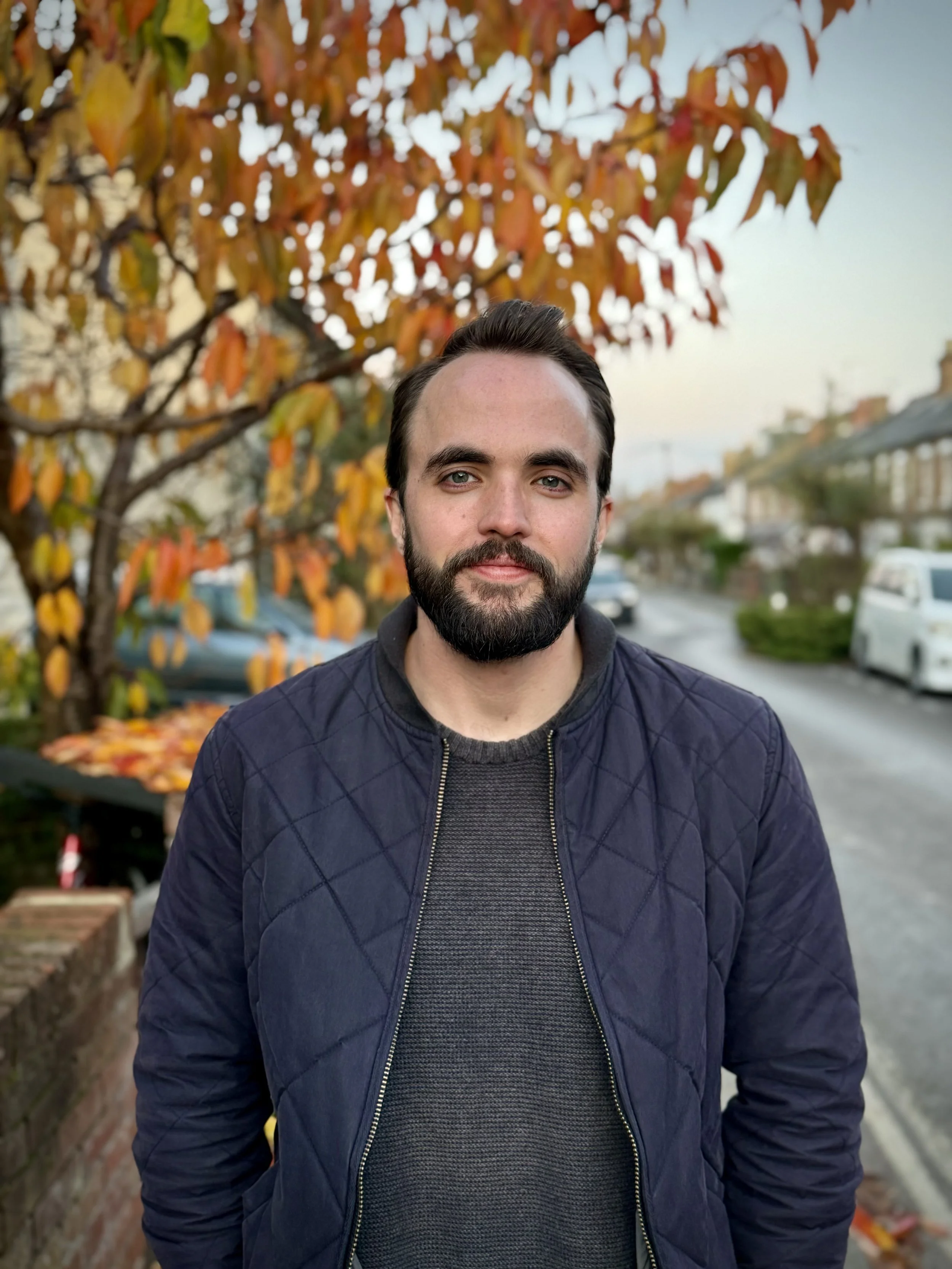
Daniel Schonning is the author of As When Waking (University of Chicago Press, 2025), which was awarded the Four Quartets Prize by the Poetry Society of America. His poetry has been featured in Best New Poets, Orion Magazine, POETRY Magazine, and elsewhere. He lives in the Finger Lakes region of New York, where he teaches creative writing at Hobart and William Smith Colleges and serves as a poetry editor for Seneca Review.
About the author
Comments from Natalie Diaz, 2026 Prize Judge
It was lucky to read this poem. It opened almost cinematically, carrying me into a scene both dark and strangely, blackly green, how night can be. I didn’t know what a cigar tree was, but I built it slowly in image throughout the poem, even though line one gave it to me already built—that’s one magic of poems, how image works, how image imprints in us and either unravels or is woven, unfolded or refolded across the lines. Somehow, in the first line I saw a thing that I had never seen, and then I saw it also piece by piece as the poem began its telling. “Midnight” and “mid-April” are both specific and vague, which floats me across an important feeling of lost-ness, of the bridge and the chasm of what is known and unknown. And the tree is the landlord’s tree, and so I begin already reaching for what is ours—what is mine and the speaker’s—of home, of belonging, or maybe, what is not ours. All this in just the first line.
This poem is lush in its darkness, in the way light is abundant but also made dark: the possibility of the silvery or coppery buckshot fired in the night, or the car lights briefly slitting the scene into two flaps that quickly close back together. These images open the poem enough, unfold it enough, that the speaker is able to peek through the wound, to speak the wound, to offer us one of the stakes of the poem: “I’d just learned that my father died, but still didn’t know how.” And while we sit emotionally in that difficult line, our mind drifts outward from the poem, as a way to dissipate that pain—the speaker wonders, about the how, which eases, maybe, the pain of the having died. The pain it seems is a stronger magnet, and we are pulled back to it again in another line and a half, similar to the one mentioned above: “…my father didn’t know / that he was a grandfather. I suppose that he either knows now or / never will.” What a beautiful and aching repetition of the known and unknown. The only thing that soothes this ache, at this point in the poem, is our cigar tree. And as we return to it, to the possibility of knowing what it looks like in the dark, from underneath where we are sitting, we are gifted with the distraction of its image parts, the “vermiculate seeds,” which are dangling, and then which are “unknuckled fingers,” “shells” and “pith”—and back to our battle for light through the dark: “candle-soot-black” and “tallow-white.”
These immersions into the emotional images throughout the poem, the flickering manipulation of light and dark, green and black, are placed so intentionally, in a gesture we might read as care, care for the speaker, for the “self” who is at times maybe the poet, or maybe not, but for sure at times becomes reader. These images create the space to, again—as with the first two mentions—allow vulnerability to happen, what I named above as one of the stakes of the poem: “and I cried, somewhere that wouldn’t wake my daughter.” The known and unknown, the wound and the scar, the light and the dark, the sound of breaking and the protection of sleep and peace—all at the same time. To build a poem that can hold it all.
And the final gift of this poem occurs with what before was possibly the “lowest” of creatures, an earthworm. Not as metaphor, simile or analogy. But a story, a happening to hold grief and all grief’s dark seeds, and struggling light, its loves and losses, its what-ifs, its angers, its relentlessness in being our companions. It didn’t feel strange to cry at the end of this poem, even through its fantastical final movement which was full of wonder and surprise. I saw the earthworm cupped in a hand, an image that will stay with me, as will our first sight of it, “glossy back tossing the sallow light.” Then, the other parts of the poem happened, in a different space and times within me—the earthworm in hand stayed in my brain as an image, but in my chest the speaker held their father’s hand, and in a third space, in the cave behind the cave behind my heart, I held my brother’s hand, I held all the hands of my beloveds I have lost. I am grateful to Daniel and to the wonderful poets at the Montreal Poetry Prize for allowing me to arrive at this poem. In reading it, it became mine, and through it I was changed.
2026 Competition Finalists
Inheritance without Heirs
by Balaji Alagurajan
An Orange
by Olive Andrews
In Laughter, In Strife
by Veronica A. Bettencourt
Girl Lessons
by Jessica Cuello
Suitcase
by Rasaq Malik Gbolahan
Duck Hunt
by Matthew Hollett
MV Reel: Iconic ’00s Girl Groups
by Ploy Jarungpiterah
Revisionist Western
by Joseph Kidney
Becoming Noah
by Karen Loeb
May Twentieth
by Sunny Marble
Sinkers
by Elizabeth Oxley
Bloodwork
by Vasiliki Albedo
Partly Acoustic
by Maninder Bains
Sahuayo: butchery, slaughterhouse
by Sandra Dolores Gómez Amador
Mother Tongue
by Devreaux Baker
Self-Portrait as Demeter and Persephone
by kizziah burton
Jacaranda
by C. W. Emerson
Home (Exercise)
by Julia Guez
Elegy for the Living Father
by Samantha Hsiung
“Gynecological Instruments For Working on Mutant Women”
by Sandra Kasturi
Neighbours
by Anthony Lawrence
Eurydice
by James Lucas
New Adventures in Terraforming
by Steve McOrmond
Winter Swimming
by Kelly Rowe
Bombs Over Tehran
by Sarah Burgoyne
Sunday in the West Bank
by Emily Davis-Fletcher
My Father Speaks of Poetry
by Amlanjyoti Goswami
Resurrection
by David Hopson
Cosmos in December
by Kassidy Jones
Morning on a Winter Beach
by G.R. Kramer
Ego-Dystonic
by Madelaine Caritas Longman
Palmas
by Garth Martens
Pagpág
by Rency Raquid
Flexible Ghost
by Lisa Andrews
Learning to Sing: A Bird’s-eye View
by Stuart Barnes
I WISH I COULD QUILT AS ANY OF MY MATRIARCHS DO
by Kayleb Rae Candrilli
Half Disclosure
by Angela Gabrielle Fabunan
Waiting for the Piano
by Richard W. Halperin
Encore!
by Danielle Janess
Anatomy of a Dead Woman
by Mary Kelly
Odesa, City of Odysseus
by Olga Livshin
The Storm
by Johanna Magin
Arrangements
by Sean G. Meggeson
Open Letter to the Humber River
by Lisa Richter
Documentary
by Edward Salem
Pseudoarchaeology
by Jen Selk
Riverside
by Andrea Scott
Tallow
by Daniel Schonning
Myth, Mother, Starling
by Jen Selk
Webs
by Bren Simmers
THE HARDWARE OF STAYING
by Kunal Sharma
Sisyphus At Night
by Gordon Taylor
Another Trip to the Store in the Land of the Living
by Angela Voras-Hills
synonyms for wahkohtowin
by Délani Valin
The Test
by Imogen Wade
Cephalopod Logic
by Cara Waterfall
Hāmtunge (The Home-Tongue)
by Paul Wood
Nesting
by Martha Young
2026 Prize Judge
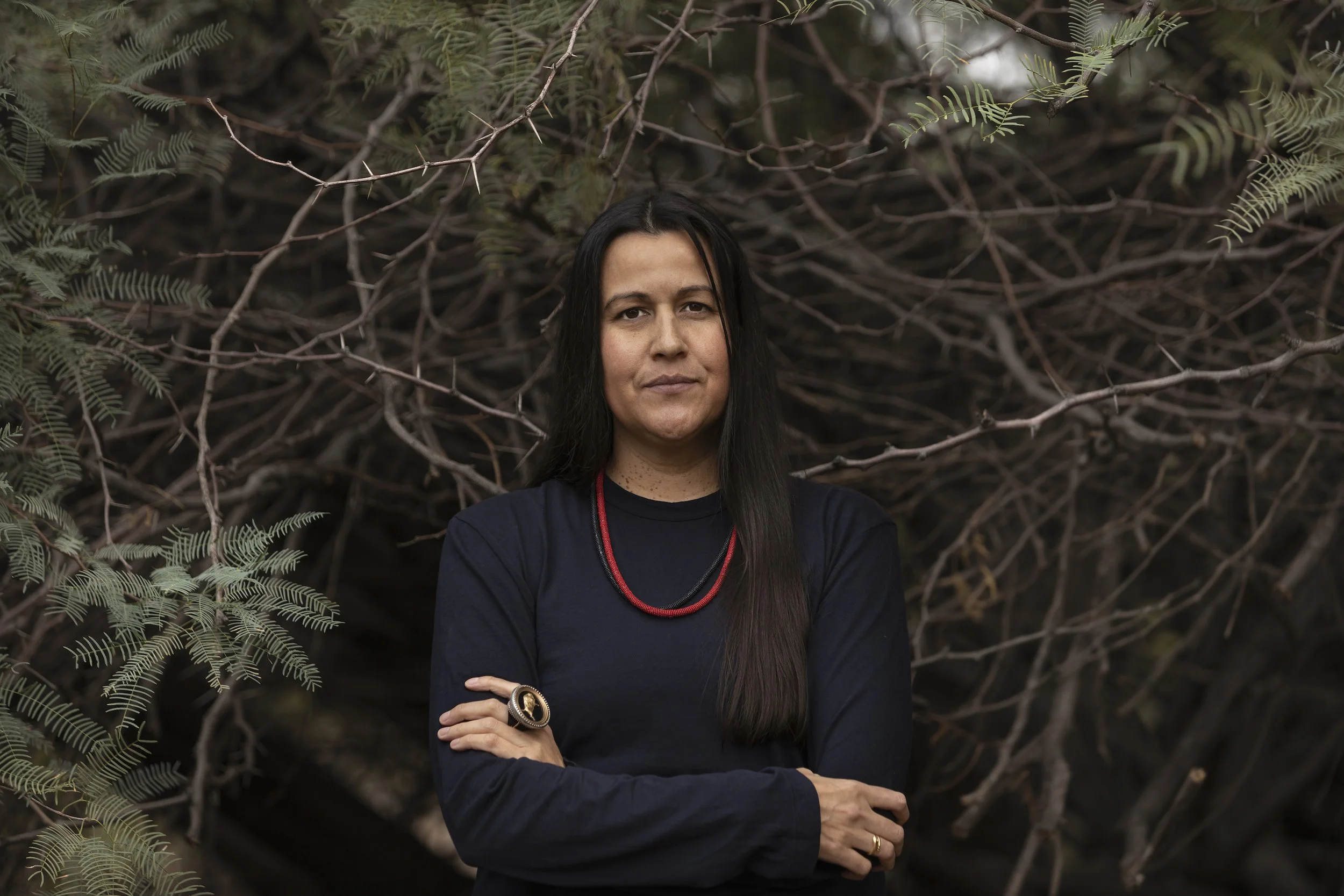
Natalie Diaz is Mojave and an enrolled member of the Gila River Indian Tribe (Akimel O’odham). Diaz is the author of Postcolonial Love Poem, winner of the Pulitzer Prize in Poetry. Her first book, When My Brother Was an Aztec, was winner of an American Book Award. She is a MacArthur Foundation Fellow, a Lannan Literary Foundation Fellow, a Native Arts and Culture Foundation Fellow. Diaz is Founding Director of the Center for Imagination in the Borderlands and the Maxine and Jonathan Marshall Chair in Modern and Contemporary Poetry at Arizona State University. In 2021, Diaz was elected the youngest ever Chancellor of the Academy of American Poets. She was recently awarded a 2023 and 2024 Mellon Foundation Research Residency Fellowship, an inaugural Baldwin-Emerson Shining Light Fellowship, a 2024 Margaret Casey Foundation Freedom Fellow, and served as the Yale Rosenkranz Writer in Residence in 2024 and 2025. She is currently a Senior Fellow at The New School Institute on Race, Power and Political Economy.
2026 Jury

Felicity Plunkett is an award-winning poet and critic living on Wangal land in Sydney, Australia. Her books are A Kinder Sea (University of Queensland Press), Vanishing Point (UQP) and Seastrands (Vagabond Press’ Rare Objects series). She edited the collection Thirty Australian Poets (UQP). Felicity has a PhD from the University of Sydney, was first an academic, then Poetry Editor with University of Queensland Press for a decade. She is a widely-published reviewer and essayist. She is Poetry Editor with Australian Book Review and teaches poetry masterclasses with Varuna, the National Writers’ House. Photo credit: Simona Janek.
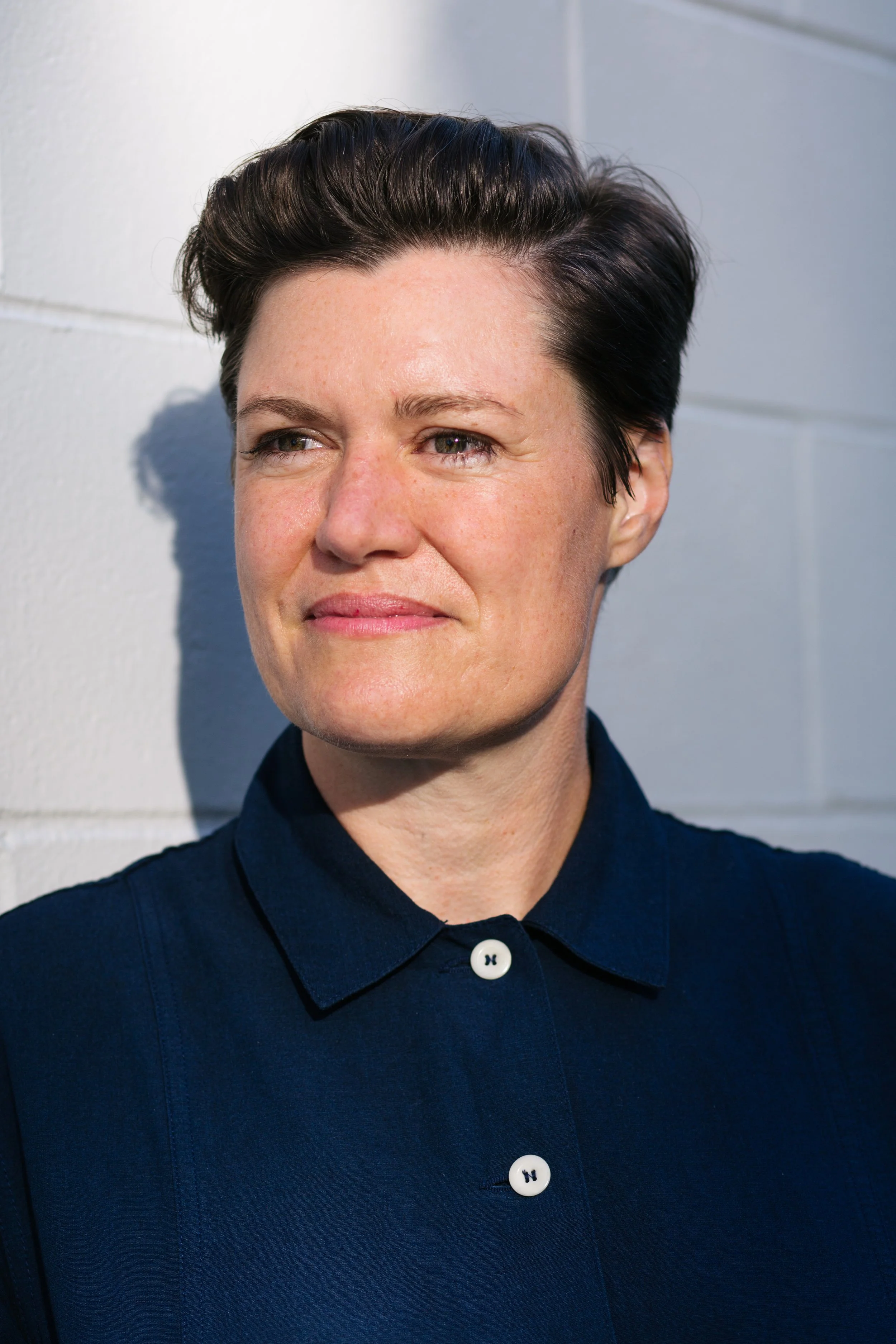
Sheryda Warrener is the author of the poetry collections Hard Feelings, Floating Is Everything, and most recently, Test Piece, which was shortlisted for the Dorothy Livesay Prize. She is a lecturer in the School of Creative Writing at UBC, and is curator of The Provocation Collection, a series of material prompts for writers designed in collaboration with artists. You can check out Test Piece here: Coach House Books and find her intermittently on the internet here.
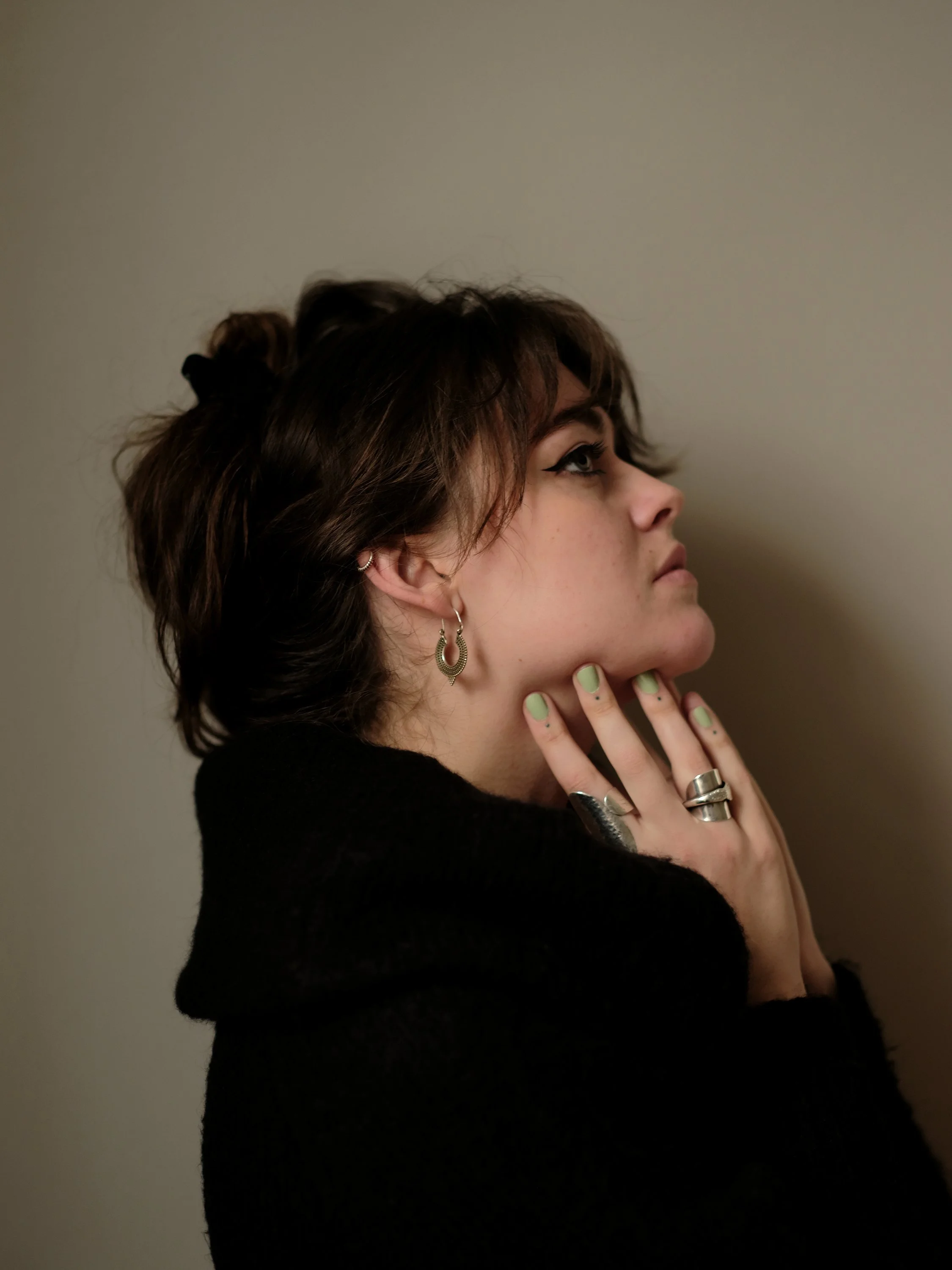
Iona Lee is a writer from Edinburgh, whose work encompasses poetry, visual art, music and spoken-word. Her critically-acclaimed debut poetry collection, Anamnesis (Polygon, 2023) was shortlisted for the Edwin Morgan Award and won the Somerset Maugham Award. In 2024, she published 'What I Love About A Cloud Is Its Unpredictability', a collection of concrete poetry created through interactions with the geolocation software what3words. Iona has an MFA in Art & Humanities, and her work is concerned with themes of magic, media, truth and tale-telling, art and artifice, memory and other hauntings.
Website: www.ionalee.com
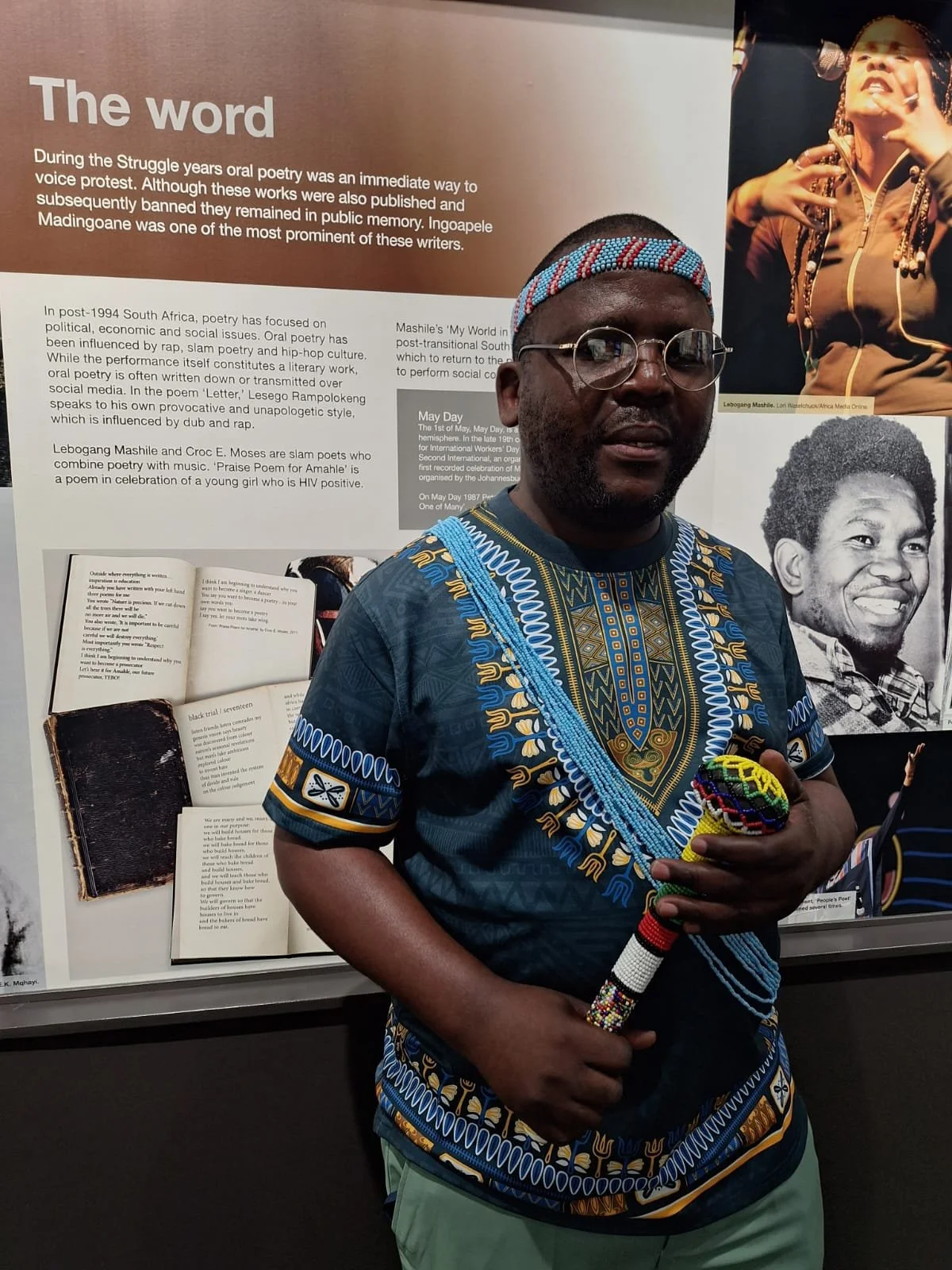
Sithembele Isaac Xhegwana is a multi-award winning South African poet, essayist and novelist. He has just been appointed as a Goodwill Ambassador for the Kendeka Prize in African Literature which is based in Kenya. Amongst many accolades, during 2024 he won the most prestigious South African Literary Award (SALA) in the poetry category. He is widely published and anthologised; both in local and international journals. He has most recently published four books: the multi award winning Dark Lines Of History; an isiXhosa poetry collection, Iziyaca; Ntombentle : Selected Poems and The Kaleidoscope Of Life : Essays On Identity And Indigenous Knowledge Systems.
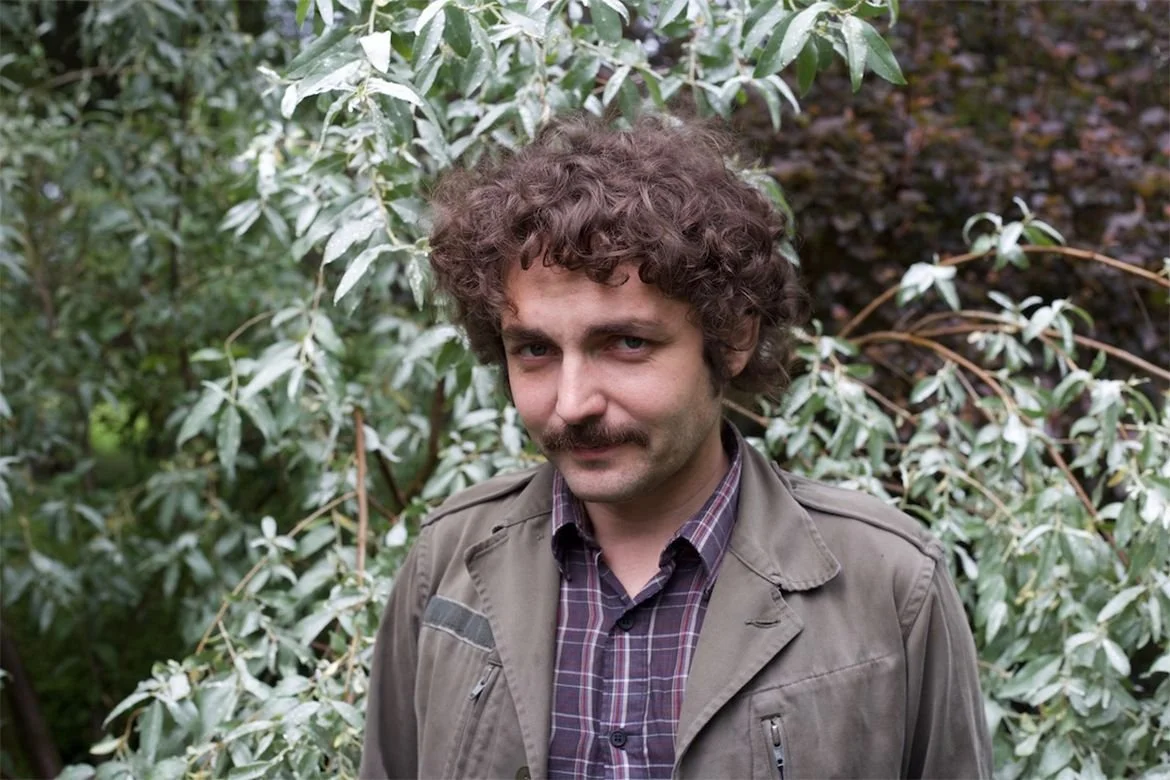
Boris Dralyuk is the author of My Hollywood and Other Poems (Paul Dry Books, 2022), editor of 1917: Stories and Poems from the Russian Revolution, co-editor of The Penguin Book of Russian Poetry, and translator of volumes by Isaac Babel, Andrey Kurkov, Leo Tolstoy, and other authors. His poems have appeared in the New York Review of Books, The New Republic, The Hudson Review, The Hopkins Review, The Spectator, Best American Poetry 2023, and elsewhere. Formerly editor-in-chief of the Los Angeles Review of Books, he is currently a Tulsa Artist Fellow, editor-in-chief of Nimrod, and professor of English and Creative Writing at the University of Tulsa.
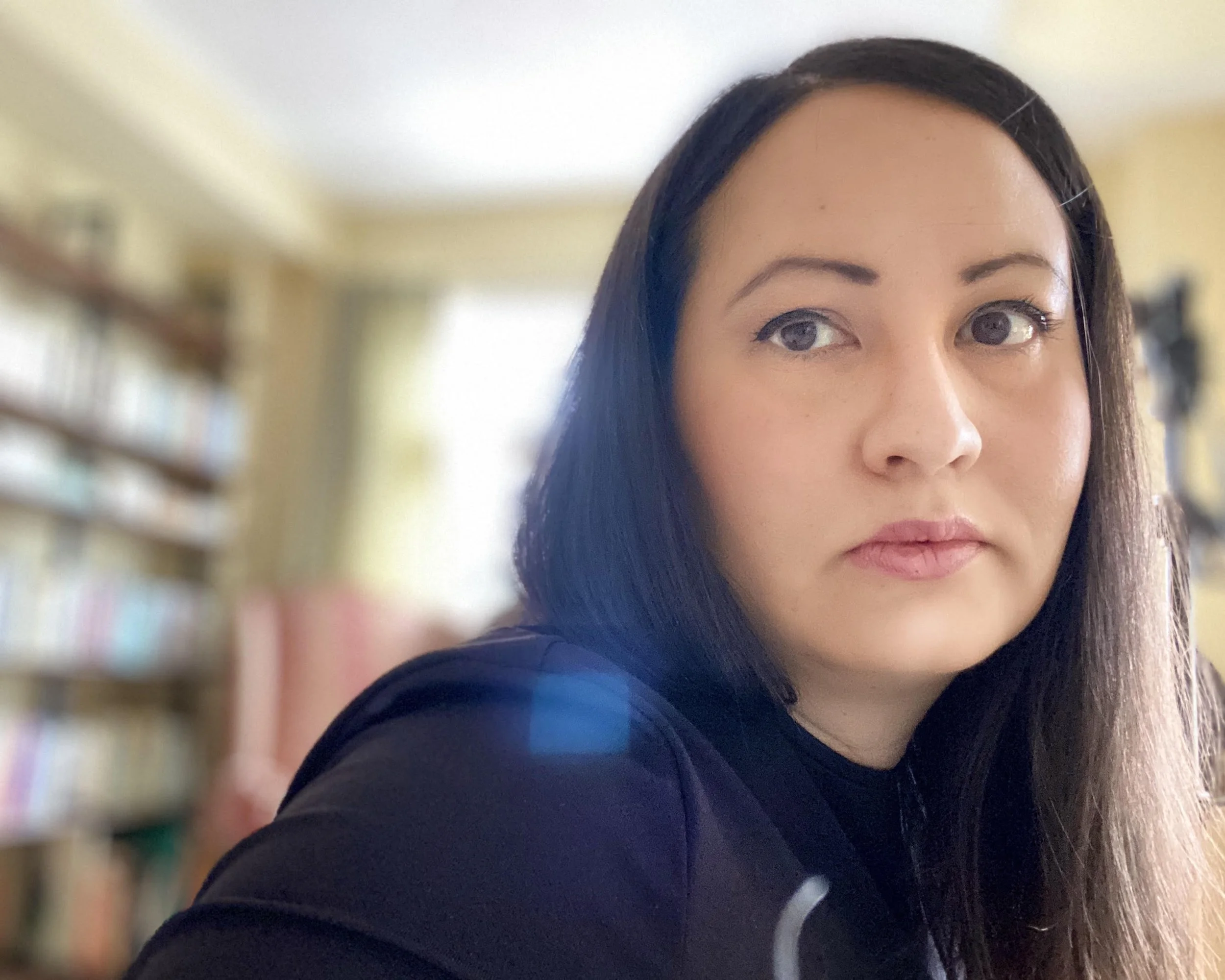
Sachiko Murakami is the author of Render (2020), Get Me Out of Here (2015), Rebuild (2011), and The Invisibility Exhibit (2008). As a literary worker, she has edited poetry, taught creative writing, worked for trade organizations, hosted reading series, sat on juries, and judged prizes. She lives in Toronto.
Website: sachikomurakami.com
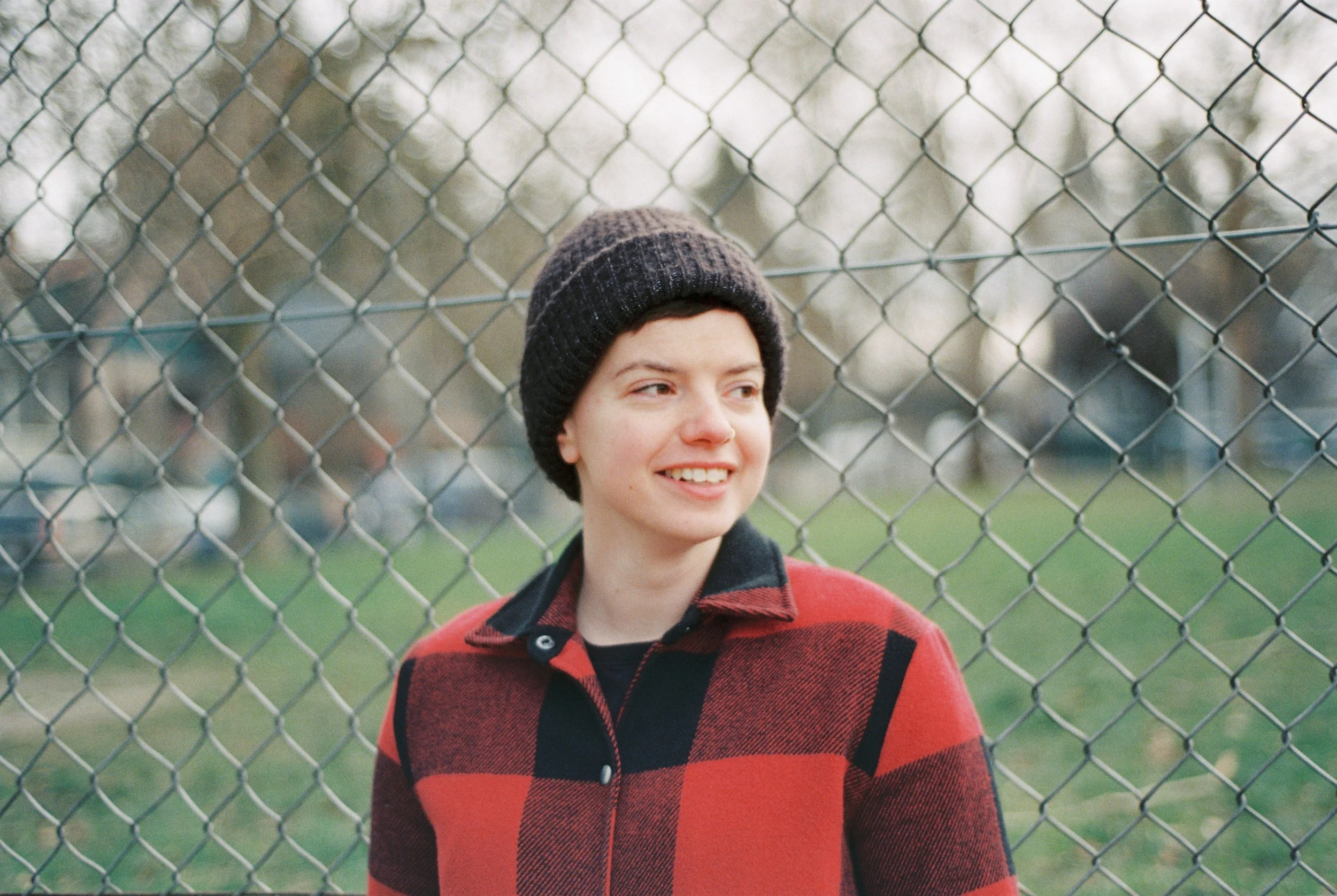
Kayla Czaga is the author of the poetry collections Midway (House of Anansi, 2024), which was a finalist for the Dorothy Livesay Poetry Prize and the DC Reid Poetry Prize; Dunk Tank (House of Anansi, 2019), also a finalist for the Dorothy Livesay Poetry Prize; and For Your Safety Please Hold On (Nightwood Editions, 2014), which won the Gerald Lampert Memorial Award and was nominated for a Governor General’s literary award. Her poems have been selected for inclusion eight times in The Best Canadian Poetry in English series.
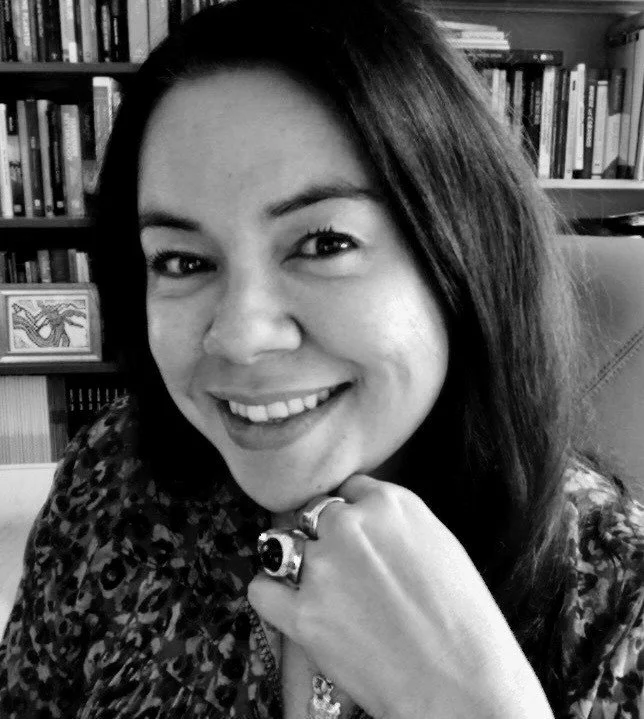
From the ahupuaʻa of Aʻapueo in Kula, Maui, Brandy Nālani McDougall (Kanaka ʻŌiwi, she/her/ʻo ia) is the author of two poetry collections, The Salt-Wind, Ka Makani Paʻakai (Kuleana ʻŌiwi Press, 2008) and ʻĀina Hānau, Birth Land (University of Arizona Press, 2023). Her critical monograph Finding Meaning: Kaona and Contemporary Hawaiian Literature (University of Arizona Press, 2016) is the first extensive study of contemporary Hawaiian literature and was the winner of the 2017 Beatrice Medicine Award for Scholarship in American Indian Studies. She is an Associate Professor of American Studies (specializing in Indigenous studies) at the University of Hawaiʻi at Mānoa and the Hawaiʻi Poet Laureate for 2023-2025. Her creative work has been recently featured in the Hawaiʻi Triennial 2025 and as part of the City and County of Honolulu’s Wahi Pana Public Art Initiative. She lives with her keiki in Mānoa in the ahupuaʻa of Waikīkī on Oʻahu.

Robin S Ngangom is a bilingual poet and translator who writes in English and Manipuri. His collection, Words and the Silence (1988), introduced a distinctive voice from India's Northeast, and My Invented Land (2023) deepens his exploration of memory, belonging, and loss. Invited to the UK Year of Literature and Writing in 1995, his poems appeared in The New Statesman, Verse, Kunapipi, Planet: the Welsh Internationalist, The Literary Review, and the Penguin Book of Indian Poets.
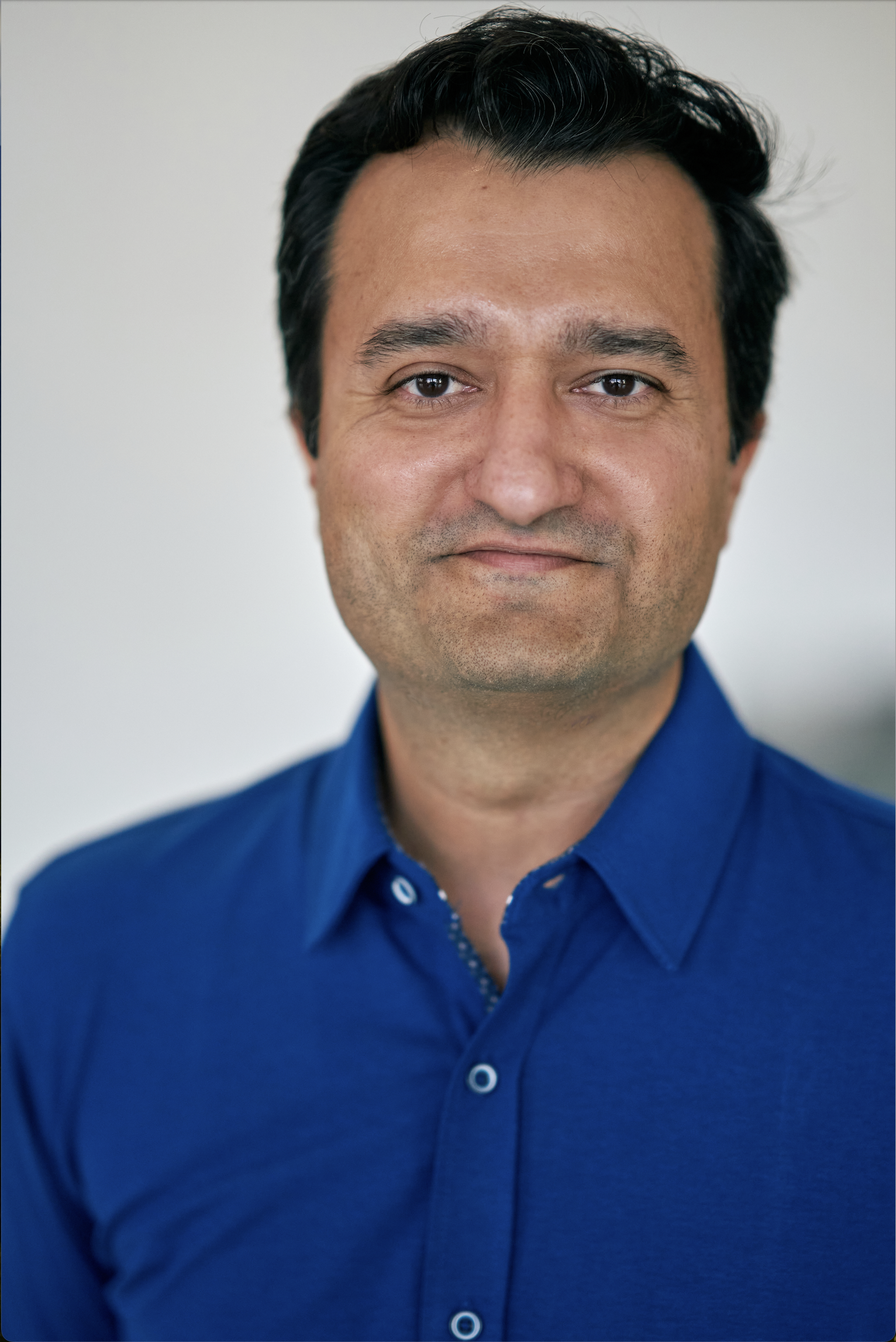
Jaswinder Bolina’s most recent book English as a Second Language and Other Poems (2023) was awarded the 2025 Kingsley Tufts Poetry Award from Claremont Graduate University. He is author of three previous poetry collections, The 44th of July (2019), Phantom Camera (2013), and Carrier Wave (2007), and of the essay collection Of Color (2020).
Website: www.jaswinderbolina.com
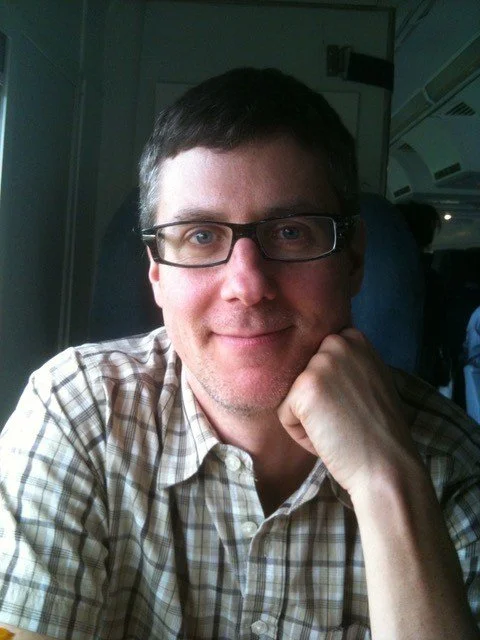
Derek Webster grew up in China, the UK, and Canada. He founded award-winning arts magazine Maisonneuve and received an MFA in Poetry from Washington University in St. Louis. His first book of poems Mockingbird (2016) was a finalist for the Gerald Lampert Award for best poetry debut in Canada and his second collection National Animal won the 2024 A.M. Klein Prize for Poetry. Recent and forthcoming work appears in The Brooklyn Review and Interim (USA), Bad Lilies and Stand (UK), The Honest Ulsterman (Ireland) and, in Canada, The Fiddlehead, Grain and The Walrus. He lives in Montreal and Toronto.
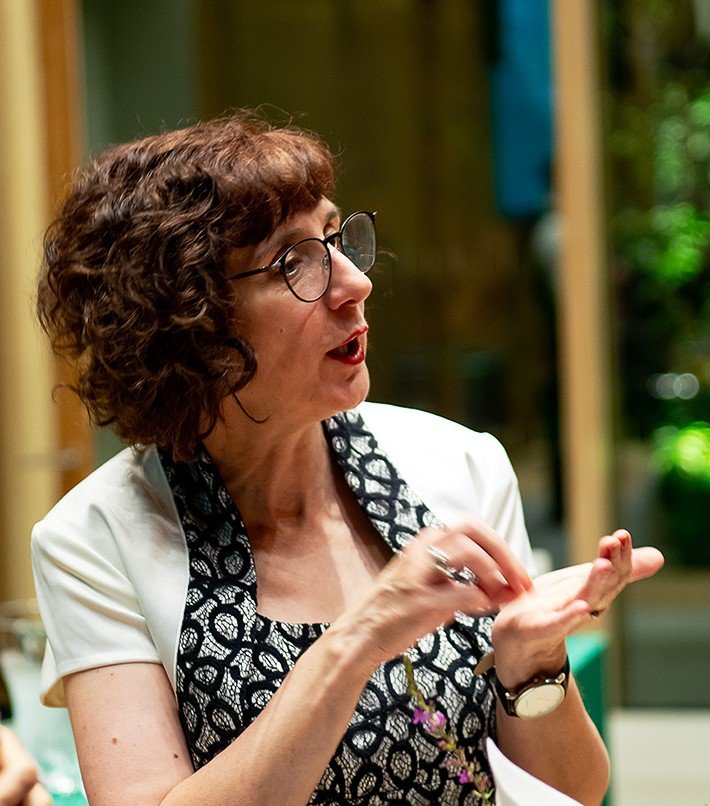
Sinéad Morrissey was born in Northern Ireland in 1972 and educated at Trinity College, Dublin. She has published six collections with Carcanet as well as a selected poems, Found Architecture (2020). Her awards include a Lannan Literary Fellowship (2007), First Prize in the UK National Poetry Competition (2007), the Irish Times Award (2009, 2013) and the T S Eliot Prize for her fifth collection, Parallax, in 2013. In 2016 she received the E M Forster Award from the American Academy of Arts and Letters. Her latest collection, On Balance (2017) was awarded the Forward Prize and was a Poetry Book Society Choice. In 2020 Sinéad Morrissey was named the European Poet of Freedom by the City of Gdańsk, Poland and in 2024 she was the recipient of the Seamus Heaney Award (Japan). She has served as Belfast Poet Laureate and in 2019 was elected a Fellow of the Royal Society of Literature. She is currently Professor of Creative Writing at Newcastle University.
Fees (CAD)
$25
Regular Entry
From competition opening to 1 May.
$28
Late Entry
From 2 to 15 May.
$20
Additional/Sponsored Entry
From competition opening to 15 May, for each entry after the first, for oneself or for a fellow poet.
Judging Process
The Finalists
After the final deadline, entries are randomly allocated to jury members. The entries are distributed anonymously – the jurors do not see the author’s name or any other information about the author. Each entry is assessed by one juror only in order to preserve editorial independence. Each juror selects a handful of poems to advance to the next stage. Together, the jurors’ selections constitute the final list of approximately sixty poems. All poems on the final list are published in the Montreal Poetry Prize Anthology.
The Winner
The prize judge reads the final list of poems and selects the winner of the prize. As with the anthology selection process, the prize judge does not see the names of the authors or any other information about them.
How do I enter the competition?
The competition is open from mid-January to 15 May in even-numbered years. Click the button at the top of this page during the entry period.
Where can I find the terms and conditions for the Prize?
Visit our rules and regulations page for more information.
Other questions?
Please see our list of frequently asked questions, under the “Questions” tab.